- Space
Their mission has been cut short by over a month
Marcia Dunn Thursday 15 January 2026 02:22 GMT- Bookmark
Bookmark popover
Removed from bookmarks
Close popover
 CloseCrew-11 begins early return to Earth after medical issue
Sign up to our free weekly IndyTech newsletter delivered straight to your inbox
Sign up to our free IndyTech newsletter
Sign up to our free IndyTech newsletter
Email*SIGN UPI would like to be emailed about offers, events and updates from The Independent. Read our Privacy notice
An astronaut in need of medical care has departed the International Space Station with three crewmates in Nasa's first-ever medical evacuation.
The four returning astronauts, who hail from the United States, Japan and Russia, are aiming to splash down early on Thursday morning in the Pacific Ocean, near San Diego.
The decision from Nasa cuts short their mission by over a month.
“Our timing of this departure is unexpected, but what was not surprising to me was how well this crew came together as a family to help each other and just take care of each other,” Nasa astronaut Zena Cardman said.
Officials have not identified the astronaut or provided more details about their health issue, citing privacy.
They are “stable, safe and well cared for”, outgoing space station commander Mike Fincke said earlier this week.
“This was a deliberate decision to allow the right medical evaluations to happen on the ground, where the full range of diagnostic capability exists.”
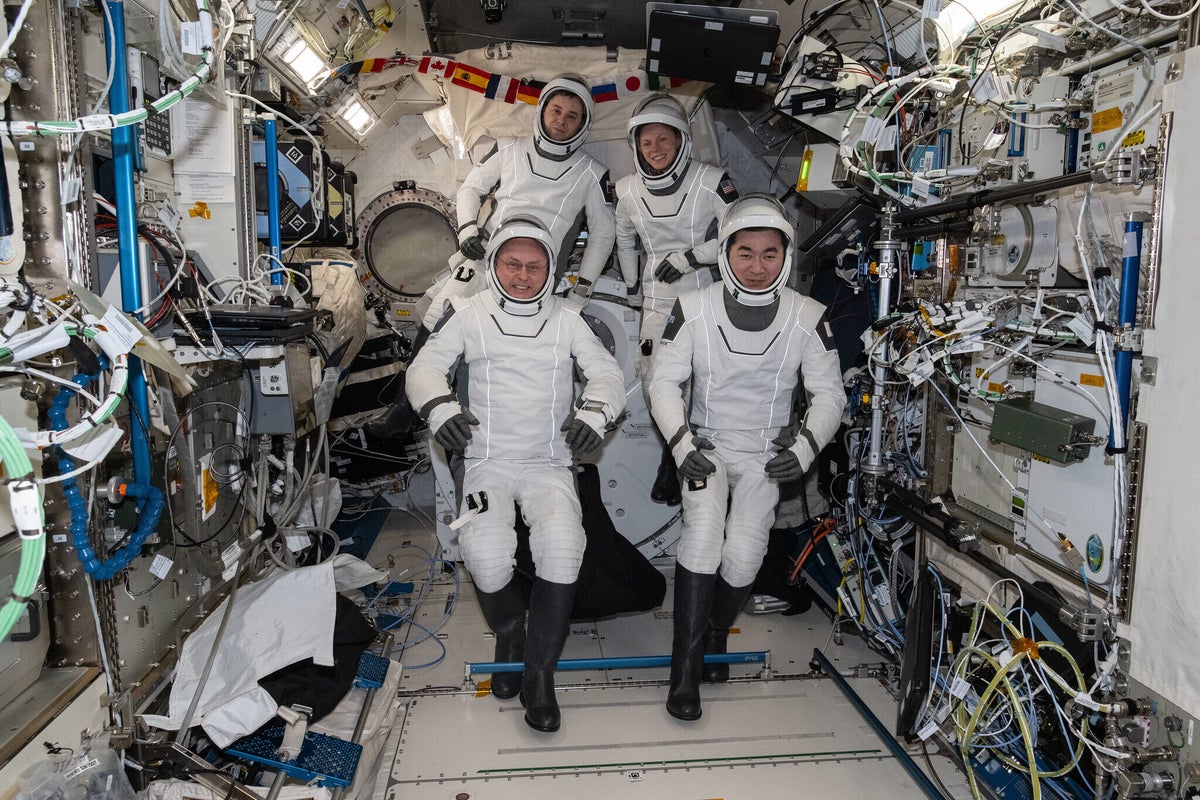
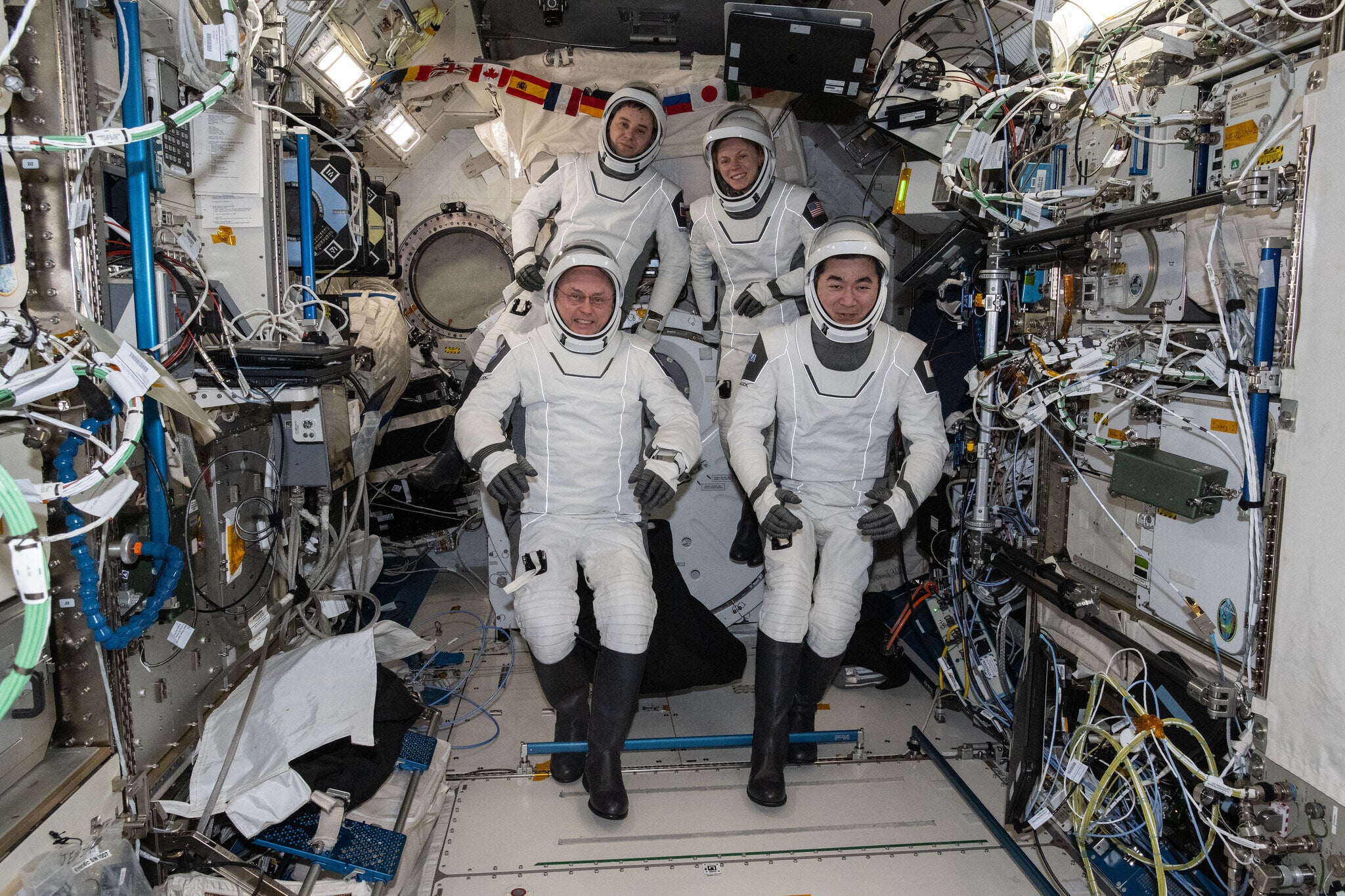 open image in galleryClockwise from bottom left are Nasa astronaut Mike Fincke, Roscosmos cosmonaut Oleg Platonov, Nasa astronaut Zena Cardman, and JAXA (Japan Aerospace Exploration Agency) astronaut Kimiya Yui
Launched in August, Cardman, Fincke, Japan’s Kimiya Yui and Russia’s Oleg Platonov were due to remain on the space station until late February.
But on 7 January, Nasa abruptly canceled the next day’s spacewalk by Cardman and Fincke and later announced the crew’s early return.
Officials said the health problem was unrelated to spacewalk preparations or other station operations, but offered no other details. They stressed it was not an emergency situation.
Nasa said it would stick to the same entry and splashdown procedures at flight’s end, with the usual assortment of medical experts aboard the recovery ship in the Pacific. It was another middle-of-the-night crew return for SpaceX, coming less than 11 hours after undocking from the space station.
Nasa said it was not yet known how quickly all four would be flown from California to Houston, home to Johnson Space Center and the base for astronauts.
One US and two Russian astronauts remain aboard the orbiting lab, just one-and-a-half months into an eight-month mission that began with a Soyuz rocket liftoff from Kazakhstan. Nasa and SpaceX are working to move up the launch of a fresh four-person crew from Florida, currently targeted for mid-February.
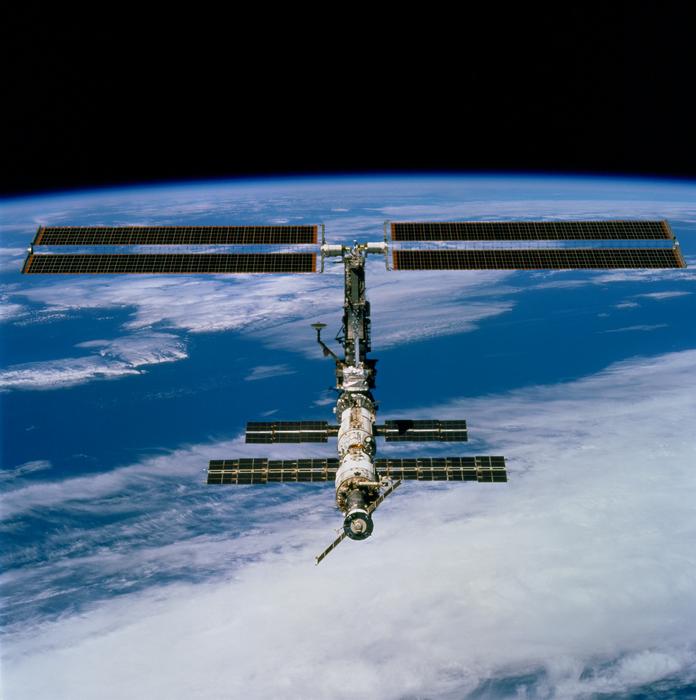 open image in galleryRoutine spacewalks have been halted at the International Space Station (Nasa)
Computer modelling predicted a medical evacuation from the space station every three years, but Nasa hasn't had one in its 65 years of human spaceflight.
The Russians have not been as fortunate. In 1985, Soviet cosmonaut Vladimir Vasyutin came down with a serious infection or related illness aboard his country’s Salyut 7 space station, prompting an early return. A few other Soviet cosmonauts encountered less serious health issues that shortened their flights.
It was the first spaceflight for Cardman, a 38-year-old biologist and polar explorer who missed out on spacewalking, as well as Platonov, 39, a former fighter pilot with the Russian Air Force who had to wait a few extra years to get to space because of an undisclosed health issue.
Cardman should have launched last year but was bumped to make room on the way down for Nasa’s Butch Wilmore and Suni Williams, who were stuck nearly a year at the space station because of Boeing’s capsule problems.
Fincke, 58, a retired Air Force colonel, and Yui, 55, a retired fighter pilot with the Japan Air Self-Defence Force, were repeat space fliers. Finke has spent one-and-a-half years in orbit over four missions and conducted nine spacewalks on previous flights, making him one of Nasa’s top performers. Last week, Yui celebrated his 300th day in space over two station stays, sharing stunning views of Earth, including Japan’s Mount Fuji and breathtaking auroras.
“I want to burn it firmly into my eyes, and even more so, into my heart,” Yui said on the social platform X. “Soon, I too will become one of those small lights on the ground.”
NASA officials had said it was riskier to leave the astronaut in space without proper medical attention for another month than to temporarily reduce the size of the space station crew by more than half. Until SpaceX delivers another crew, NASA said it will have to stand down from any routine or even emergency spacewalks, a two-person job requiring backup help from crew inside the orbiting complex.
The medical evacuation was the first major decision by Nasa’s new administrator Jared Isaacman. The billionaire founder of a payment processing company and two-time space flier assumed the agency’s top job in December.
“The health and the well-being of our astronauts is always and will be our highest priority,” Isaacman said in announcing the decision last week.